Four weeks to close the raise.
Memory Lane Games had a proven product with a loyal community, a founder with pedigree (Bruce Elliott, previously BBC, L’Oréal, Scrabble) and a live Longitude Prize on Dementia submission. What they didn’t have was time. The raise window was open, and investors wanted to see AI, built properly, not retrofitted.
We became their innovation team.
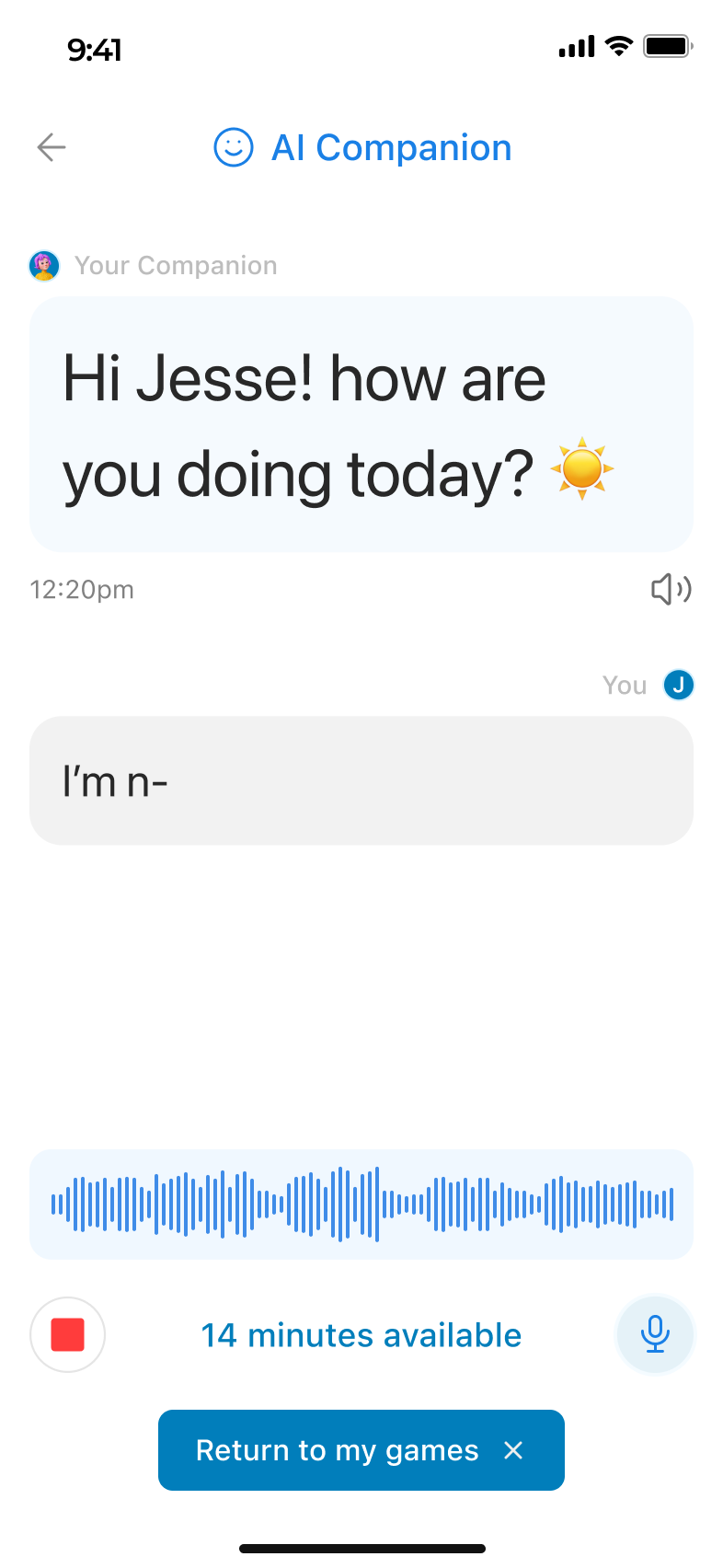
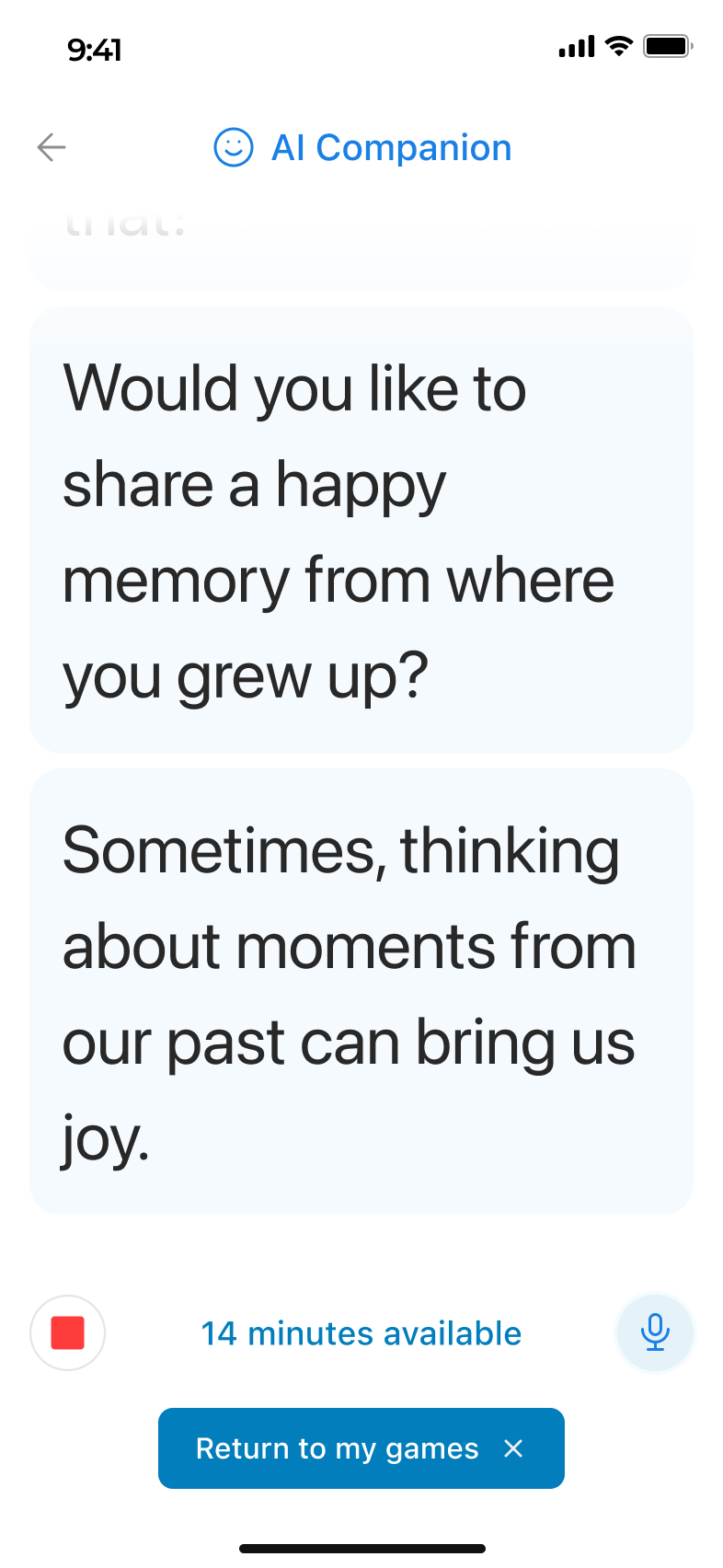
No handoff, no scope-creep, no feature-first thinking. We embedded with the founders, product lead and clinical advisors, and rebuilt the experience from the one constraint that mattered most: dementia-first accessibility. Large tap targets, simple language, one decision per screen, voice-led interaction so no reading is required.
Every screen was reviewed against reminiscence-therapy principles with 10+ clinicians and 80+ user reviewers. 100+ interviews shaped the voice. 92% of sessions ended with a positive engagement signal.
From discovery to shipped, in four weeks.
Reframe
Week one. Workshops with founders, clinicians and carers to anchor every design choice in reminiscence therapy, not generic AI UX.
Redesign
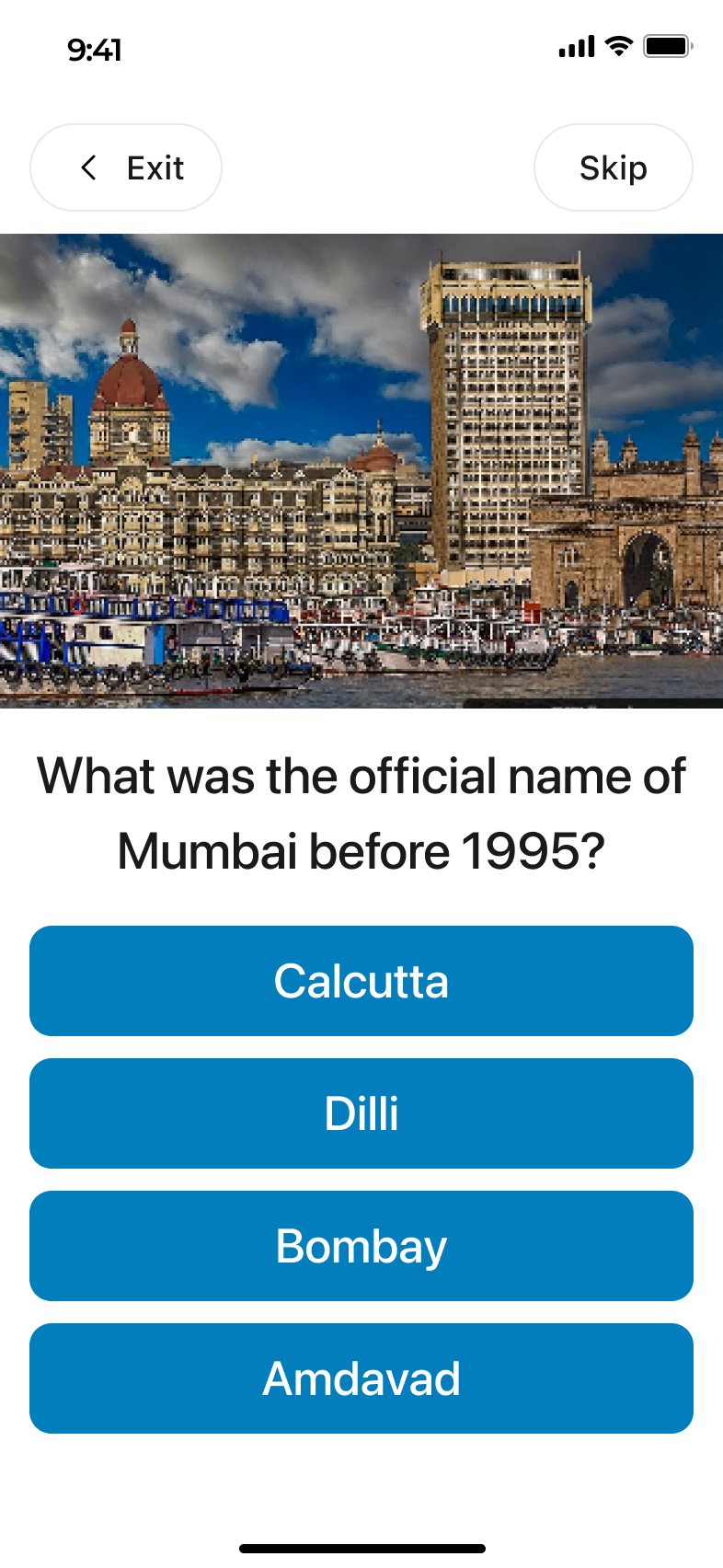
Week two. Dementia-first information architecture: voice-first interaction, high contrast, forgiving flows, place- and people-based memory prompts.
Build
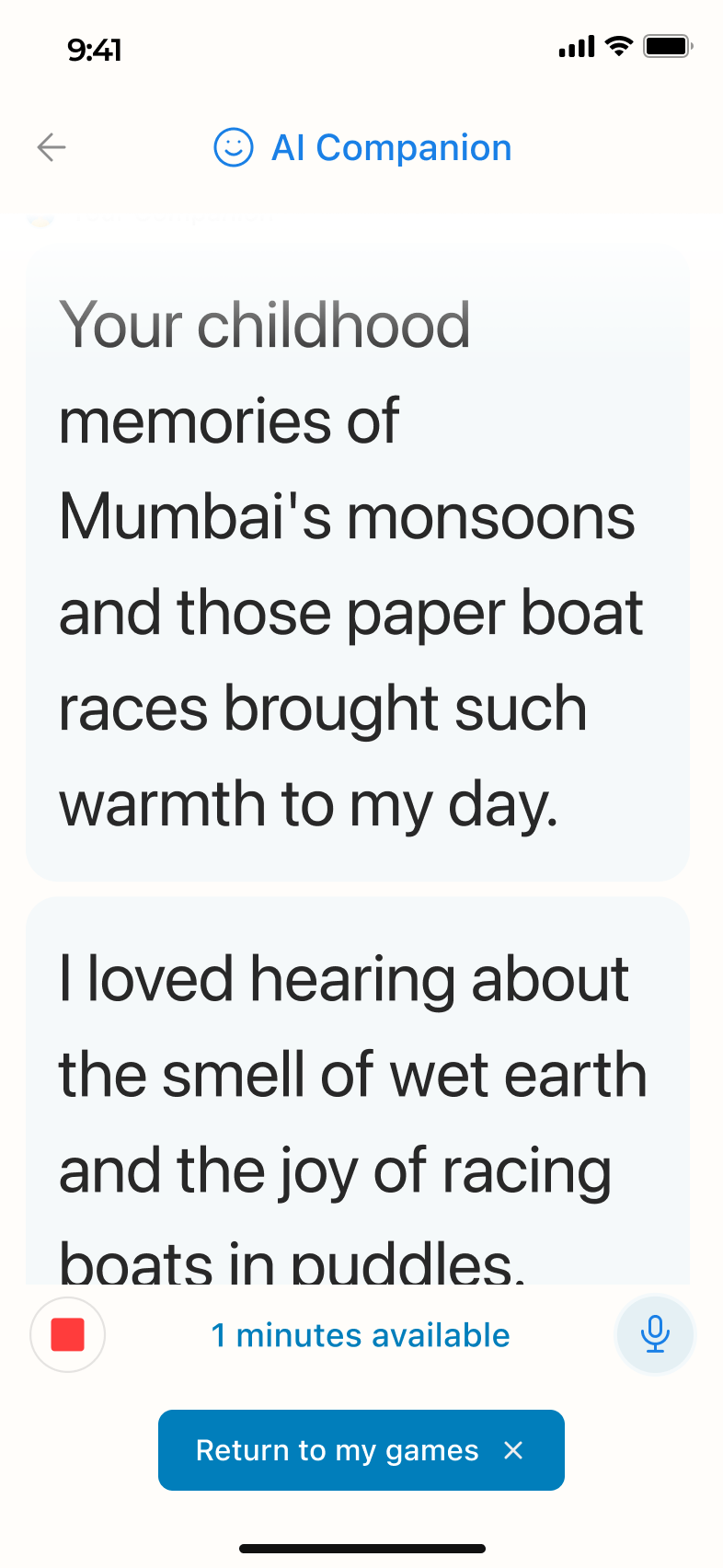
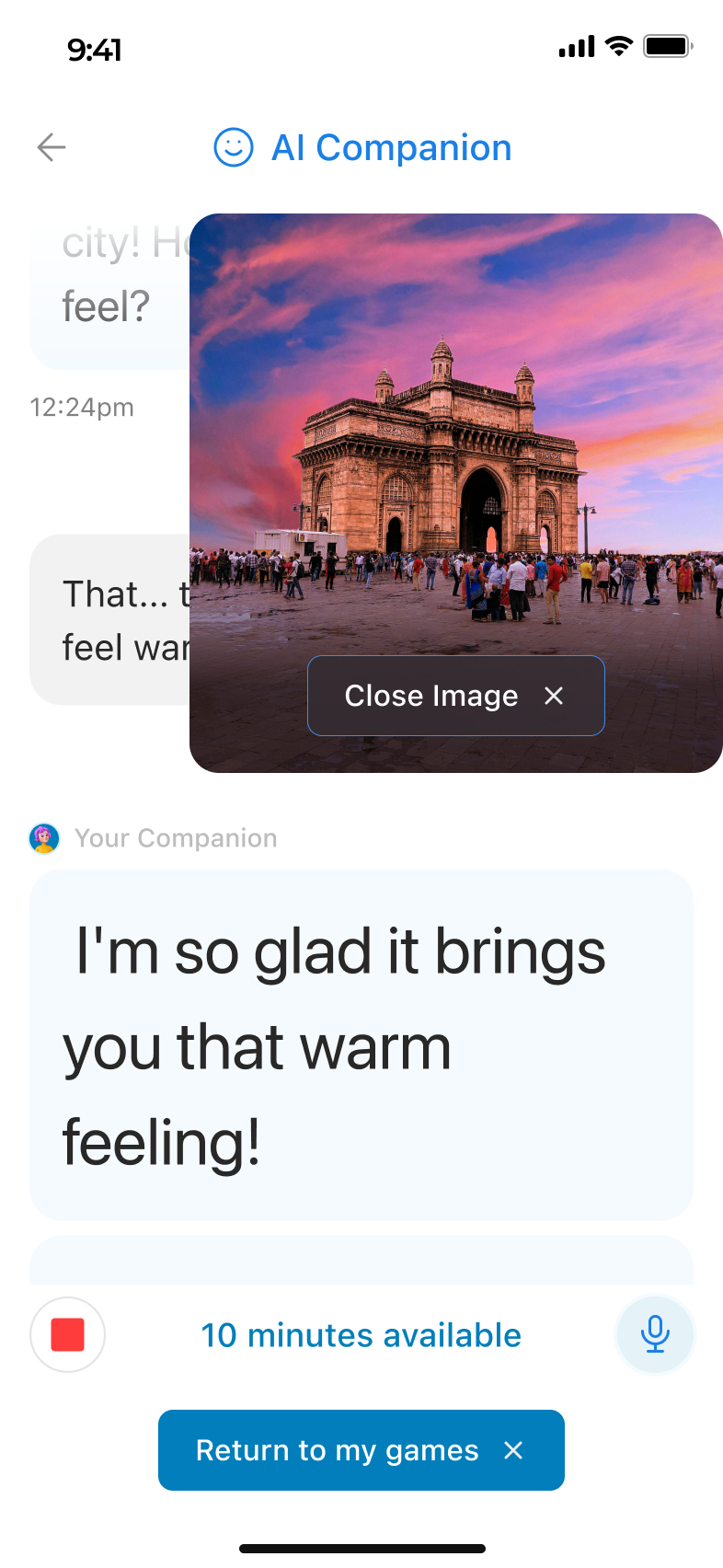
Week three. AI companion with voice-to-voice chat, generative photo surfaces, and reminiscence trivia tied to the user’s own places and times.
Ship
Week four. Live in-store, with clinician dashboards for timeline analysis, reminiscence-candidate ranking and video biomarker tracking.
An AI companion that listens, remembers and adapts.
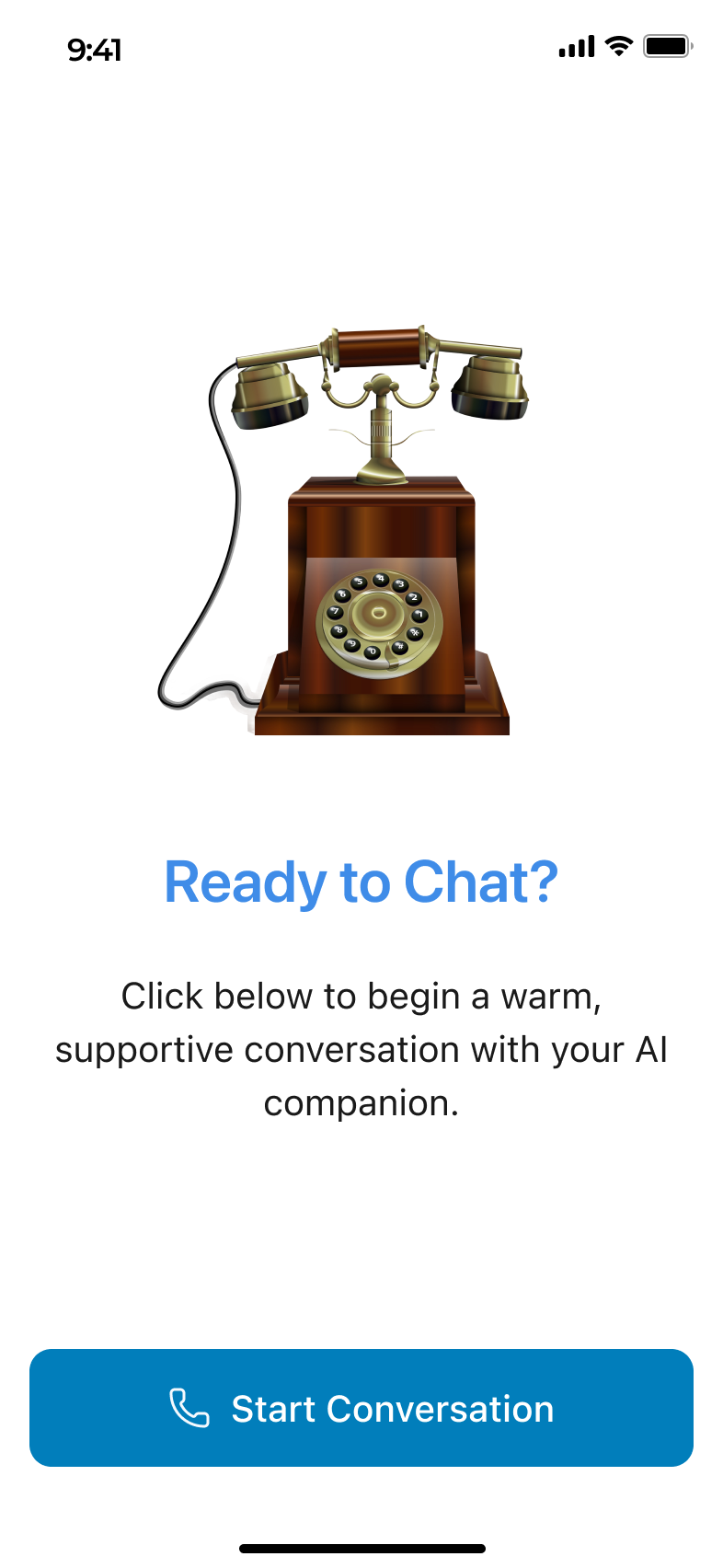
Not a chatbot. A voice-led companion built around how people with dementia actually experience the world — patient, visual, familiar, forgiving of silence. Every screen explains itself, every prompt is anchored to a place or a person, every response is in the user’s own cadence.
Four weeks to close the raise.
Clinically grounded, user-tested, investor-ready.
A product the clinicians trust and the investors backed.
Beyond the companion itself, the engagement surfaced three systems the business needed next: timeline analysis for clinicians to see engagement over weeks, top reminiscence-candidate ranking to steer each session toward what the user responds to, and video biomarker tracking to turn each session into a longitudinal signal. All built on the four-week sprint.
“Brdge didn’t just build a feature. They became our innovation team, understood what reminiscence therapy actually requires, and gave us a product the clinicians trust and the investors backed.”Bruce ElliottFounder, Memory Lane Games